Friday, 20 December 2013
Wednesday, 18 December 2013
Questionnaire
This is our questionnaire that we used to help us with research and planning for our film. It will help us in choosing how to produce it as to comply with what our target audience enjoys watching. We decided to use closed questions as to be able to produce quantitative data and not a range of answers. By asking for 5 girls and 5 boys to fill it out we have a wider understanding of what to base our film on.
Film Camera research
As we want our opening two minutes to have the 'Home movie' look to it, iv'de decided that maybe using the highest quality video camera isn't the best option, as in my eyes the final clips will look too crisp and perfect, for example we want our film to look a bit like the way 'The Blair Witch Project' was filmed, After doing some research i believe the camera used was an CP-16 film camera, unfortunately we don't have this camera available, or one like it but were considering using an old handheld film camera instead of a new, high resolution digital camera. We later came to the conclusion that only some of our opening should be filmed on a old school, handheld camera, and the rest should be filmed using more recent, high definition equipment.
CP-16 Film Camera: They were primarily intended for television news filming and were quite popular with local and national news agencies before the advent of portable videotape Electronic News Gathering, (ENG) formats, as well as documentary and drama production.
This was the camera they filmed most of 'The Blair Witch Project' on, so i thought i would be a good idea to include this as a comparison to todays, newer cameras.
Footage:
GoPro Hero 3 Black Edition: GoPro is a brand of high-definition personal cameras, often used in extreme action video photography. They are known for being lightweight, rugged, wearable or mountable in unusual places such as outside planes, cars, or boats.
This high definition camera could be used to film shots where the camera had to be in awkward, less acessable angles, such as mounted for a first person view.
Footage:
Canon EOS 600D: With class-leading 18-megapixel resolution, user-friendly design, and the entire EOS family of lenses and accessories at your disposal, the EOS 600D lets nothing stand in the way of your photography.
This is another high definition camera which we could use to film any normal shots, using normal angles as opposed to unusual ones.
Footage:
CP-16 Film Camera: They were primarily intended for television news filming and were quite popular with local and national news agencies before the advent of portable videotape Electronic News Gathering, (ENG) formats, as well as documentary and drama production.
This was the camera they filmed most of 'The Blair Witch Project' on, so i thought i would be a good idea to include this as a comparison to todays, newer cameras.
Footage:
GoPro Hero 3 Black Edition: GoPro is a brand of high-definition personal cameras, often used in extreme action video photography. They are known for being lightweight, rugged, wearable or mountable in unusual places such as outside planes, cars, or boats.
This high definition camera could be used to film shots where the camera had to be in awkward, less acessable angles, such as mounted for a first person view.
Footage:
Canon EOS 600D: With class-leading 18-megapixel resolution, user-friendly design, and the entire EOS family of lenses and accessories at your disposal, the EOS 600D lets nothing stand in the way of your photography.
This is another high definition camera which we could use to film any normal shots, using normal angles as opposed to unusual ones.
Footage:
Tuesday, 17 December 2013
Targets:
180 degree rule – comment on whether you are going to use
this form of editing in your opening two minutes.
Camera Movement and Equipment – comment on the shots and
editing used in the trailer. Comment on
whether you are going to use any of these shots to follow the conventions of an
action film. You could state that you are going to experiment with different
camera movements to identify which ones work best and why.
Types of film cuts – explain what editing and film cuts are
used in the clip and how effective they are.
Have they influenced your planning, will you use these in your opening
two minutes? (Explain why or why not.)
Target Audience Research and Questionnaire results: explain
how the research and findings have influenced your planning. Have the results enabled you to come to
certain decisions about your film – will you now use/include certain things
based on your results.
Remove the symbol from your blogger name!
Overview of Horror movies
Horror is a film genre seeking to elicit a negative
emotional reaction from viewers by playing on the audience's primal fears.
Horror films often feature scenes that startle
the viewer; the macabre
and the supernatural
are frequent themes. Thus they may overlap with the fantasy,
supernatural, and thriller
genres. Horror films often deal with the viewer's nightmares,
hidden fears,
revulsions and terror
of the unknown. Plots within the horror genre often involve the intrusion of an
evil force, event, or
personage, commonly of supernatural
origin, into the everyday world. Prevalent elements include Ghosts, vampires,
werewolves,
demons,
vicious
animals, monsters, zombies, cannibals, and serial
killers. Conversely, movies about the supernatural are not necessarily
always horrific.
Women have become not only the main audience and fans of horror films but
also the main protagonists of contemporary horror films. The horror industry is
producing more and more movies with the main protagonist being a female and
having to evolve into a stronger person in order to overcome some obstacle.
This main theme has drawn a larger audience of women movie-goers to the theaters
in modern times than ever historically recorded. Movie makers also go as far as
to integrate women relatable topics such as pregnancy, motherhood, lesbian
relationships, and babysitting jobs into their films in order to gain even more
female oriented audiences.
Opening scenes analysis
The opening titles of a film tell the audience the title of the film and is traditionally shown at the beginning. Normally the genre of the film will determine what colour scene/fonts are used, for example horror movies tend to have black backgrounds, and red fonts, as these colours link to horrors. The Fonts also tend to be quite sinister and dark, reflecting how the film will be.
The titles of this film are in plain white block text, with each word being in a different level of boldness which makes it stand out more and gives it a sense of being more sophisticated. It is quite conventional of an action film to have plain white text. The black background of the title makes it stand out more. My group are doing an action film quite similar to The Bourne Legacy and we are probably going to use the same type of font as we want our film to seem as professional as possible.
made in 2010, which is a remake starring Bradley Cooper, Liam Neeson and Sharlto Copley. They have used a silver colour with the font to make it look like it is metallic which connotes guns and bullets.
The bullet holes in the writing suggests to
The Bourne Legacy is an action packed spy film.
The A-Team is a very well-known action film.
This title is from the most recent A-Team film
The bullet holes in the writing suggests to
the audience that that this film will have guns
and violence in it which is typical of an action film.
They have also chosen to use bold military
style font making it look tough and professional.
The black background makes the title stand out
and be more in your face preparing the audience
for what might come in the rest of the film.
The film Insidious is a horror film. They used red writing in their titles as it connotes blood and evil, however some romance films do choose to use red in their titles too, but the way in which the audience is able to distinguish between the two is the font and the background. The font used in this makes it look like there are devil horns suggesting that the film will have evil and religious aspects in it. Another thing done that adds a lot of effect is the shadows on the writing from what looks to be a fire which makes it look mysterious and evil. All these aspects of the title suggest to the audience that film will be a horror.
The Blair Witch Project in my opinion, is one of the best horror movies ever created, as its simplicity is what makes it so terrifying. The films opening scene is white writing on a black background, in a way this fits in perfectly with the film as it shows how amateur the filming and editing is going to be, it also gives us the impression that the film will be recored like a home movie. As a black and white font one of the most basic editing techniques, which most people can do, proving how amature the film is.
Rec is another horror film i have chosen to analyse, as most of the film is
filmed how we would like to in our opening two minutes the self-filmed amateur
editing kind of look. The opening scene shows the red dot, showing the camera
is recording, of which we are going to try and incorporate into our film. With
a white font splattered with blood suggesting that the film may contain some
dark scenes within the movie. The way the title is laid out suggests to the
viewer that the upcoming film will be hand held, almost relating to a home
movie.
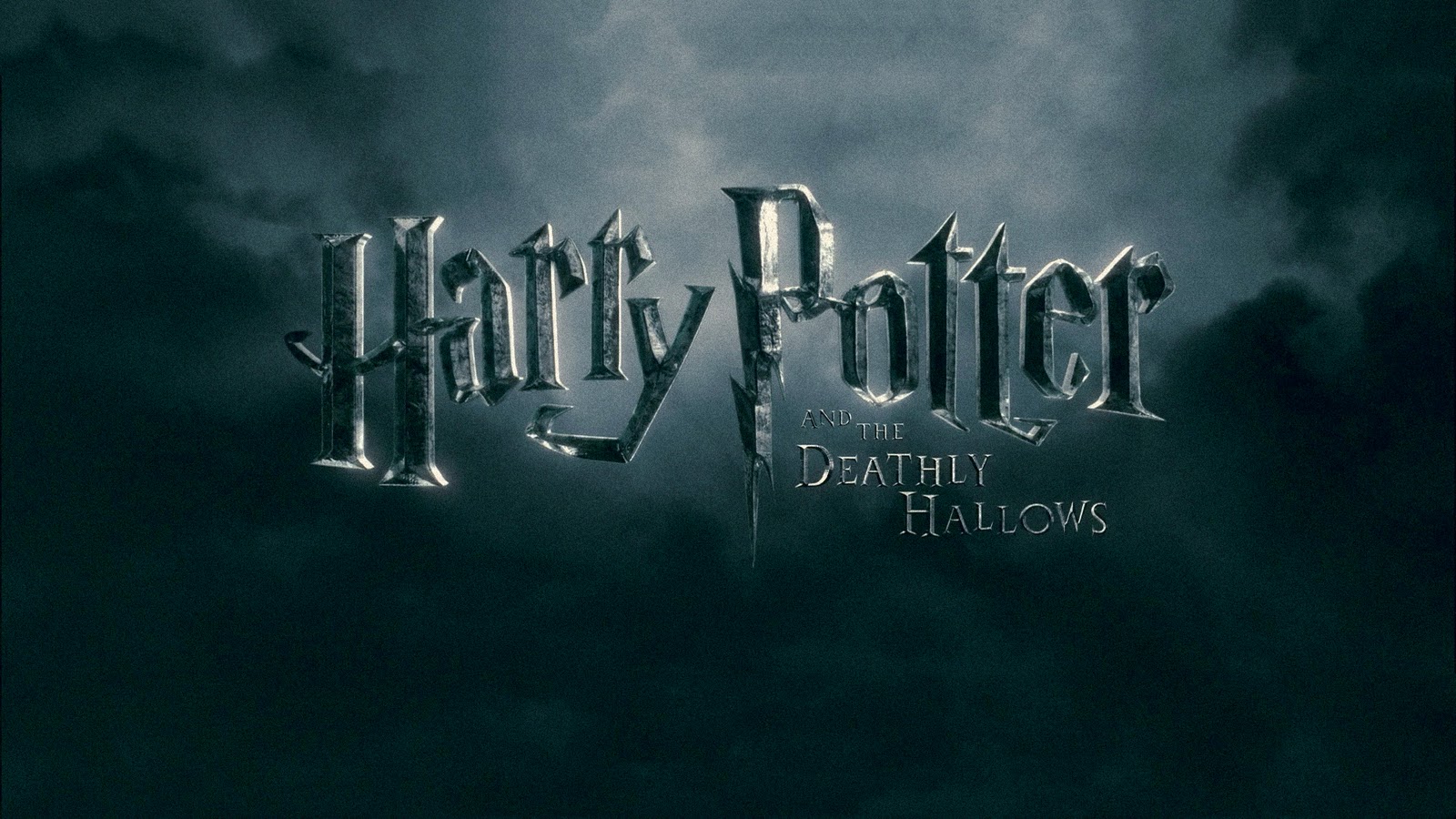
The opening title of the Harry Potter film series look
which looks like it would be in an old hand-written book which reflects the theme of the film
which is magic and mystery. The font is a dark, old looking silver and the background is dark clouds, much like you would see when it's raining which will make the audience think that there is going to be a lot more serious and evil parts to this film compared to the traditional Harry Potter title which is gold. The P in the title is shaped the same as the scar on Harry's forehead which is a major plot element in the film, linking the title with the film.
The detailed and the detailed and unique title
makes it very recognizable which makes for
a great marketing tool which helps promote and
sell the film.
The detailed and the detailed and unique title
makes it very recognizable which makes for
a great marketing tool which helps promote and
sell the film.
The film Insidious is a horror film. They used red writing in their titles as it connotes blood and evil, however some romance films do choose to use red in their titles too, but the way in which the audience is able to distinguish between the two is the font and the background. The font used in this makes it look like there are devil horns suggesting that the film will have evil and religious aspects in it. Another thing done that adds a lot of effect is the shadows on the writing from what looks to be a fire which makes it look mysterious and evil. All these aspects of the title suggest to the audience that film will be a horror.
Rec is another horror film i have chosen to analyse, as most of the film is
filmed how we would like to in our opening two minutes the self-filmed amateur
editing kind of look. The opening scene shows the red dot, showing the camera
is recording, of which we are going to try and incorporate into our film. With
a white font splattered with blood suggesting that the film may contain some
dark scenes within the movie. The way the title is laid out suggests to the
viewer that the upcoming film will be hand held, almost relating to a home
movie.The 180 rule, shot sequances and light techniques
The 180 rule is a rule filmmakers mostly abide by in order to avoid disorientating and confusing the audience. It states that the camera cannot cut to show the same person or object from the opposite side from which they were first shown, as this messes up the direction of action and can confuse the viewer. The imaginary line of action is between a character and whatever object or person they are interacting with. Crossing this line through a straight cut can be confusing for the viewer. However, the 180 rule can be broken without confusing the viewer if the camera pans from one side of the line of action to the other in the same shot, as viewers know where they are. This is explained in more depth in the above tutorial video. In our opening two minutes we are going to stick to this rule as it allows the audiance to follow the characters easier, because if you film from more than one side the audiance can becomre confused and disorentated.
Camera movement and equipment
This video explains and shows some ways in which the camera moves - and why - and what equipment is needed to make it do this effectively. Due to our low budget on the film it is unlikely that we will be able to make/buy/use some of the equipment mentioned but we could try to recreate the action in order to cause a similar effect on the audience. In our opening two minutes we are going to experiment with a variety of different shots, all fitting in with those used in many horrors. Shots will vary from Long shots, Close ups, Extreme close ups and POV shots. By using a variety of shot types we hope to create the feeling that the audiance is actually in the forrest with our characters. We are then going to use a range of different camera movements to see which ones suit that shot best, whether thats tracking, panning or still shots, as each will create a different effect.
Camera angles and Shots
This video i found explains and gives good examples of different camera angles and shots that are used in films. We have decided we will deffinitely be using a handheld shot for our film as it prevents the audience feeling secure and this good for either an action or horror film. Although because of our budget it wont be possible to use any aeiral shots or arc shots.
Types of Film Cuts
This is a clip we found on youtube that includes a lot of different film cuts and edits that may be useful to include in our film. It gives the name of the cut followed by a brief description of what and how the cut or edit works. There are examples from many well known films to show how you could use it. After seeing this clip, we believe we will be using several techniques from it, including after action, exit shot and look off.
Thursday, 5 December 2013
These are the six biggest film institutions. Film
institutions are very important as they provide the money, allowing the film to
happen, without them no company would have anywhere near enough money to create
a decent, successful film. The companies also own studios allowing the film to
be filmed inside when needed. The only downside to film institutions funding a
film is that they like to have complete control over what happens on the
project, meaning it won’t always end up how you originally planned it too,
However without these institutions films wouldn’t be the same.

Warner Bros studios were founded in 1903. It was formed by
four brothers called the Warner brothers, and was one of the first companies to
make movies with dialogue in it. They also famously started the original
'Looney Tunes', as well as many more successful cartoons. Warner Bros have a
very wide range of films. They tend to make high budget movies, to make a lot
of money, and their films are shown around the world. Their films appeal to a
very wide range of audience as they make films from many different genres. Previous Warner Bros films include: 'Harry Potter', 'The
Departed', 'The Dark Knight', 'Slumdog Millionaire', 'P.S. I Love You',
'Charlie and the Chocolate Factory', 'Troy', 'Blade Runner'.
Paramount Studios was founded in 1916 and is one of the
oldest film institutions. Steven Spielberg is a major partner with Paramount as
he is one of the leading film directors in Hollywood and this is a major
contributor to Paramount’s success as he has many fans and followers who will
watch anything he puts out, making most of his films instant money makers.
Paramount are ranked as one of the highest-grossing film studios in the world.
As with Warner Bros, they make a very wide range of films which targets many
different audiences with each film.
Paramount films include: 'Titanic', 'Transformers' 'Indiana
Jones', 'Iron Man', 'Forrest Gump', 'War of the Worlds', 'Mission Impossible',
'Shutter Island', 'Paranormal Activity'.Sony Pictures is another of the film studios in 'the big six'. Although you wouldn't think that Sony would be in the big six it does own Columbia Pictures, which is a much better known company. Another slightly less well known, but still widely appreciated company that they own is Tristar Pictures. As Sony is primarily associated with gaming and electronics their film side isn't as well known. Most of their money comes from the fact that they are already such a big company so people have heard of them so will trust in them. They also do a lot of advertising for their films through their other products (such as the PS3 gaming console). Sony Pictures films include: 'Spiderman', 'Men in Black', 'Gladiator', 'The Da Vinci Code', 'Quantum of Solace', 'Hancock', 'The Pursuit of Happiness', 'The Adventures of Tintin, 'The Social Network', 'Bucky Larson: Born to be a Star'.
Universal pictures is another major film institution. They have large theme parks around America which help promote their business, helping them make more money. Universal, like many over film institutions, make a large range of film genres to target a large market of people. They are another company that go hand in hand with Warner Bros and Paramount as they are all in it more for the money than for the art form of making films itself. However they don't disappoint bringing out big budget films that have been highly successful and have made many films that are seen to be classics for example 'E.T' and 'Jaws'.Universal films include: 'Tinker Tailor Soldier Spy', 'E.T', 'Bourne Identity', 'Despicable Me', 'Back to the Future', 'A Beautiful Mind', 'American Graffiti', 'Love Actually', 'Bruce Almighty', 'Jaws', 'American Gangster', 'Mamma Mia!', 'Jurassic Park', 'King Kong', 'Meet the Fockers', 'The Mummy'.
Walt
Disney Pictures is probably the most famous film institution, mainly because
most people grow up watching most of their films and TV shows. Disney are
famous for their traditional family movies and cartoons but recently have made
more action films for example 'Tron' and 'Pirates of the Caribbean' to reach
out to a larger target audience by doing something a bit more appealing to
teens and adults. They also own a large number of institutions: Touchstone
Pictures, Pixar, Marvel, and most recently Lucasfilm. Pixar are seen as one of
the best film institutions in the world, as they consistently make excellent
films. Their films are enjoyable for both children and their parents, making
them a real money maker. Pixar and Marvel both stray from producing a large
number of films, opting instead for taking their time with each one and
increasing the quality of the films. The quality of the films aren't as high as
Marvel , but are more 'fun'. This is what makes for millions of fans as
everyone is on edge waiting for them to bring out the next film. Through these
companies Disney manages to get a huge amount of money, and it is a big factor
in their recent success.Disney films include: 'The Lion King', 'Toy Story 3', 'The Avengers', 'Pirates of the Carribean', 'Beauty and the Beast', 'High School Musical', 'Tangled', 'Thor', 'Finding Nemo', 'Hannah Montana', 'Bambi', 'The Princess and the Frog', 'Alladin', 'A Bug's Life' .
Finally 20th Century Fox is another very large film institution well known across the world. 20th Century Fox was one of the film institutions that started a little later compared to the other big companies. This institution is owned by a news corporation which also own the Fox television channel which helps in making them a lot of money. The TV channel has pumped out many shows that the world has loved for many years. They sometimes even make films from the TV shows they play on their channel for example 'The Simpsons Movie'. 20th Century Fox tend to make very high budget films and like many other institutions, make films for a wide range of genres. Many people criticize them and say that the company is nothing more then a logo where as other institutions have more to show for, like Universal with a theme park and Sony with its electronics. However 20th Century Fox are still a widely well known institution. Famous 20th Century Fox films include: 'Avatar', 'Star Wars', 'Independence Day', 'Home Alone', 'X-Men', 'The Simpsons Movie', 'Ice Age', 'I, Robot', 'Marley and Me', 'Taken', 'Minority Report', 'Prometheus', 'Die Hard', 'Speed', 'Alien', 'Eragon', 'True Lies', 'Titanic', 'Moulin Rouge!', 'Road to Perdition', 'Night at the Museum', 'Austrailia'.
It seems that many of the large film institutions that started right at the beginning of film making are the most successful production companies in recent times. This makes sense as they have had the most time to evolve and grow to what they are now, as practise makes perfect.
Tuesday, 26 November 2013
Film Clasification.
Film Clasification: 18.
Suitable only for adults
No-one younger than 18 may see an ‘18’ film in a cinema.
No-one younger than 18 may rent or buy an ‘18’ rated video.
In line with the consistent findings of the BBFC’s public consultations and The
Human Rights Act 1998, at ‘18’ the BBFC’s guideline concerns will not normally
override the principle that adults should be free to choose their own
entertainment. Exceptions are most likely in the following areas:
·where
the material is in breach of the criminal law, or has been created through the
commission of a criminal offence
·where
material or treatment appears to the BBFC to risk harm to individuals or,
through their behaviour, to society – for example, any detailed portrayal of
violent or dangerous acts, or of illegal drug use, which may cause harm to
public health or morals. This may include portrayals of sexual or sexualised
violence which might, for example, eroticise or endorse sexual assault
·where
there are more explicit images of sexual activity which cannot be justified by
context. Such images may be appropriate in ‘R18’ works, and in ‘sex works’ (see
below) would normally be confined to that category.
In the case of video works (including video
games), which may be more accessible to younger viewers, intervention may be
more frequent than for cinema films.
Sex education at ‘18’
Where sex material genuinely seeks to inform
and educate in matters such as human sexuality, safer sex and health, explicit images
of sexual activity may be permitted.
Suitable only for adults
No-one younger than 18 may see an ‘18’ film in a cinema.
No-one younger than 18 may rent or buy an ‘18’ rated video.
In line with the consistent findings of the BBFC’s public consultations and The Human Rights Act 1998, at ‘18’ the BBFC’s guideline concerns will not normally override the principle that adults should be free to choose their own entertainment. Exceptions are most likely in the following areas:
No-one younger than 18 may see an ‘18’ film in a cinema.
No-one younger than 18 may rent or buy an ‘18’ rated video.
In line with the consistent findings of the BBFC’s public consultations and The Human Rights Act 1998, at ‘18’ the BBFC’s guideline concerns will not normally override the principle that adults should be free to choose their own entertainment. Exceptions are most likely in the following areas:
·where
the material is in breach of the criminal law, or has been created through the
commission of a criminal offence
·where
material or treatment appears to the BBFC to risk harm to individuals or,
through their behaviour, to society – for example, any detailed portrayal of
violent or dangerous acts, or of illegal drug use, which may cause harm to
public health or morals. This may include portrayals of sexual or sexualised
violence which might, for example, eroticise or endorse sexual assault
·where
there are more explicit images of sexual activity which cannot be justified by
context. Such images may be appropriate in ‘R18’ works, and in ‘sex works’ (see
below) would normally be confined to that category.
In the case of video works (including video
games), which may be more accessible to younger viewers, intervention may be
more frequent than for cinema films.
Sex education at ‘18’
Where sex material genuinely seeks to inform
and educate in matters such as human sexuality, safer sex and health, explicit images
of sexual activity may be permitted.
Film Clasification: 15.
No one younger than 15 may see a ‘15’ film in a cinema. No one younger than 15 may rent or buy a ‘15’ rated video work.
Drug taking may be shown but the film as a whole must not promote or encourage drug misuse. The misuse of easily accessible and highly dangerous substances (for example, aerosols or solvents) is unlikely to be acceptable.
Strong threat and menace are permitted unless sadistic or sexualised.
Dangerous behaviour (for example, hanging, suicide and self-harming) should not dwell on detail which could be copied. Easily accessible weapons should not be glamorised.
There may be frequent use of strong language (for example, ‘fuck’). The strongest terms (for example, ‘cunt’) may be acceptable if justified by the context. Aggressive or repeated use of the strongest language is unlikely to be acceptable.
Nudity may be allowed in a sexual context but without strong detail. There are no constraints on nudity in a non-sexual or educational context.
Sexual activity may be portrayed without strong detail. There may be strong verbal references to sexual behaviour, but the strongest references are unlikely to be acceptable unless justified by context. Works whose primary purpose is sexual arousal or stimulation are unlikely to be acceptable.
No theme is prohibited, provided the treatment is appropriate for 15 year olds.
Violence may be strong but should not dwell on the infliction of pain or injury. The strongest gory images are unlikely to be acceptable. Strong sadistic or sexualised violence is also unlikely to be acceptable. There may be detailed verbal references to sexual violence but any portrayal of sexual violence must be discreet and have a strong contextual justification.
Friday, 22 November 2013
Film Clasification: 12.
Suitable for 12 years and over Exactly the same criteria are used to classify works at ‘12A’ and ‘12’. These categories are awarded where the material is suitable, in general, only for those aged 12 and over. Works classified at these categories may upset children under 12 or contain material which many parents will find unsuitable for them.
The ‘12A’ category exists only for cinema films. No one younger than 12 may see a ‘12A’ film in a cinema unless accompanied by an adult, and films classified ‘12A’ are not recommended for a child below 12. An adult may take a younger child if, in their judgement, the film is suitable for that particular child. In such circumstances, responsibility for allowing a child under 12 to view lies with the accompanying adult.
The ‘12’ category exists only for video works. No one younger than 12 may rent or buy a ‘12’ rated video work.
Discrimination
Discriminatory language or behaviour must not be endorsed by the work as a whole. Aggressive discriminatory language or behaviour is unlikely to be acceptable unless clearly condemned.
Drugs
Any misuse of drugs must be infrequent and should not be glamorised or give instructional detail.
Horror
Moderate physical and psychological threat may be permitted, provided disturbing sequences are not frequent or sustained.
Imitable behaviour
Dangerous behaviour (for example, hanging, suicide and self-harming) should not dwell on detail which could be copied, or appear pain or harm free. Easily accessible weapons should not be glamorised.
Language
Moderate language is allowed. The use of strong language (for example, ‘fuck’) must be infrequent.
Nudity
Nudity is allowed, but in a sexual context must be brief and discreet.
Sex
Sexual activity may be briefly and discreetly portrayed. Sex references should not go beyond what is suitable for young teenagers. Frequent crude references are unlikely to be acceptable.
Theme
Mature themes are acceptable, but their treatment must be suitable for young teenagers.
Violence
Moderate violence is allowed but should not dwell on detail. There should be no emphasis on injuries or blood, but occasional gory moments may be permitted if justified by the context. Sexual violence may only be implied or briefly and discreetly indicated, and must have a strong contextual justification.
FilmClasification: PG.
General viewing, but some scenes may be
unsuitable for young children. Unaccompanied children of any age may watch. A
‘PG’ film should not disturb a child aged around eight or older. However,
parents are advised to consider whether the content may upset younger or more
sensitive children.
If a work is particularly
suitable for a pre-school child to view alone, this will be indicated in the
Consumer Advice.
Discrimination
No discriminatory language or behaviour unless clearly disapproved of.
Drugs
No references to illegal drugs or drug misuse unless they are infrequent
and innocuous, or there is a clear educational purpose or anti-drug message
suitable for young children.
Horror
Scary sequences should be mild, brief and unlikely to cause undue anxiety
to young children. The outcome should be reassuring.
Imitable behaviour
No potentially dangerous behaviour which young children are likely to
copy. No emphasis on realistic or easily accessible weapons.
Language
Infrequent use only of very mild bad language.
Nudity
Occasional natural nudity, with no sexual context.
Sex
Mild sexual behaviour (for example, kissing) and references only (for
example, to ‘making love’).
Theme
While problematic themes may be present, their treatment must be
sensitive and appropriate for young children.
Violence
Mild violence only, Occasional mild threat or menace only.
Drugs
Horror
Imitable behaviour
Language
Nudity
Sex
Theme
Violence
Film Classification:U.
A lot of U rated films are animation and almost all of them are aimed at the 5-7 audience. There are a few exceptions, such as a few of the Star Wars films are U rated, however they are aimed for a very wide audience. This film classification is very much for family films, and you do not get many thrillers that are made for this age group. But a ‘U’ film should be suitable for audiences aged four years and over. ‘U’ films should be set within a positive moral framework and should offer reassuring counterbalances to any violence, threat or horror.
If a work is particularly suitable for a pre-school child to view alone, this will be indicated in the Consumer Advice.
Discrimination
No discriminatory language or behaviour unless clearly disapproved of.
Drugs
Drugs
No references to illegal drugs or drug misuse unless they are infrequent and innocuous, or there is a clear educational purpose or anti-drug message suitable for young children.
Horror
Horror
Scary sequences should be mild, brief and unlikely to cause undue anxiety to young children. The outcome should be reassuring.
Imitable behaviour
Imitable behaviour
No potentially dangerous behaviour which young children are likely to copy. No emphasis on realistic or easily accessible weapons.
Language
Language
Infrequent use only of very mild bad language.
Nudity
Nudity
Occasional natural nudity, with no sexual context.
Sex
Sex
Mild sexual behaviour (for example, kissing) and references only (for example, to ‘making love’).
Theme
Theme
While problematic themes may be present, their treatment must be sensitive and appropriate for young children.
Violence
Violence
Mild violence only. Occasional mild threat or menace only.
Wednesday, 20 November 2013
Research Analysis: Of an Opening Scene(Horror) - Scream.
Scream's opening two minutes displays a lot of horror conventions.
We are introduced to the main antagonist of the film and shown his dark humoured
personality through his phone conversation with the unnamed woman from the scene.
This piece of dialogue starts light-hearted and slowly descends into dark tones
and evil threats. We do not see the antagonist in the opening scene in order to
build suspense and intrigue as to his identity or appearance.
The woman featured in the scene is herself another genre indicator as the role of the helpless teenage girl being stalked by a killer is common in many horror films, who fits perfectly into the stereotypical conventions of weak female victims; for example she is a ditsy blonde, who has no idea what danger shes getting into, she also fails at being able to protect or defend herself. The suspense created by the scene is also helped by the location, a big, empty house with a large garden. The situation is made worse the second the unknown voice says “I want to know who I’m looking at” immediately the audience is notified that there is an unknown person, lurking outside somewhere, the house itself providing the only protection from the evil outside.
The background music of the scene is slow and mysterious violin
chords to start off with but as the dialogue of the scene becomes darker and
more dramatic the pace of the music quickens and loud drums are brought in.
This could be to represent the woman's heart rate increasing as she becomes
more and more scared of her attacker. The attacker’s voice works with the
background music of the scene to show how creepy he sounds and connotes that he
no ordinary sane individual, which suggests to the audiance that he is the main antagonist.
Props aren't really a major factor of the opening scene; the only
one of any significance would maybe be the popcorn the woman is cooking on the
stove as she talks to the antagonist, another prop used could be the fact that
she begins to play with a kitchen knife, while discussing her favourite horror movie,
Halloween. It’s ironic because the plot of Halloween – a babysitter being
stalked and then murdered is about to happen to her. The expanding of the
popcorn pack as the scene progresses could draw comparisons to the expanding
tension of the scene, with the dialogue starting off with small talk about
favourite films of the characters and culminating in the antagonist threatening
the woman to "gut you like a fish".
After the opening dialogue of the scene between the woman and the
antagonist over the phone, there is a long establishing shot of the house the
scene is set in. The lighting of this shot is helpful towards setting a tone of
the scene as the shot is mostly dark, with the only areas well lit the house
(representing the safe, protagonist location) and a creepy slow-moving
children's swing in the foreground of the shot (representing the antagonists
presence outside the house). This highlights the importance of these 2 factors
to the audience as they receive the most attention from the shot, it also add's to the rising tension as viewers have no idea where abouts the unknown man is.
Tuesday, 19 November 2013
Research Analysis: Of an Opening Scene(Action) - The Dark Knight.
The Dark Knight is an
action sequence, which immediately grabs the audience's attention and obeys the
conventions of an action/crime drama that is grounded in reality. It's a story
about the DC comic book hero Batman. The Dark Knight begins with a bank heist, The
Joker, the main antagonist in the film takes centre stage in this scene, however you do not know which one he is, due to the clown masks worn, along with 5 other men who slowly get killed off one by one throughout the clip.
The opening titles of
the film have been altered to try and set the scene of the film; all the
production companies involved usual opening title colours have been replaced
with much more dark and gloomy colours. This shows a clear attempt to try and
introduce the film as a Thriller, a mysterious film. This takes a good effect
as it does succeed to set the scene and gives the audience acknowledgement of
the type of film.
The first bit of
dietetic sound the film uses is when two characters dressed with clown masks
fire a gun through a window. This answers why there was an explosion. The scene
is shot using a medium close up from behind the two characters.
As the scene goes on,
more mysteries are created; the bank manager yells 'Do you know who you're
stealing from? You guys are dead'. While picking up and shot gun and walking
towards the robbers angrily. They each kill each other off quietly in order to
get more money off the portion which is being stolen, the director of the film
has used a very clever way to present it, as mysteries keep the audience
confused but would be kept interested in watching on.
This opening scene
starts with no diegetic sounds which seem to add to the dark opening of the
film. The next scene starts with an extreme long shot which establishes the
scene of a busy Gotham City centre. The scene is shot using a helicopter which
crabs sideways towards a skyscraper with dark tinted windows to centralise the
audience's focus on the buildings. There is still no use of dialogue of in this
scene but there is use of a non-diegetic soundtrack building in the background.
The soundtrack appears to start soft and quiet which could connote of a
peaceful, tranquil city, but as Batman readers would realise this is never the
case.
The conventions of the
action genre are made very clear through many aspects, such as the use of guns,
the exploding window, and the bus going through the wall, but I think that what
really brings out the action is the music. The music is very subtle, without
any definitive melody, but just a bass that plays over the images and pushes
the action. The sound levels go up and down according to whether there is
dialogue, or action. There are a few moments where the music picks up a bit and
adds even more to the scene, when the men are going across the grapple, there
are three hits on a drum, bringing out the danger which the men are putting
themselves in, to put in more tension and drama.
Tuesday, 12 November 2013
Preliminary task evaluation.
For our Preliminary Task we chose to film in the school
library because we could film within school without being interrupted. The
library also suits what we had to do as we wanted to shoot a character opening
a door, entering a room, sitting down and having a brief conversation with
another actor. We began the scene with an actor pushing open a door and
entering the room, we used a medium shot to show this action, however to
achieve a 'Match on action' shot we should have had a close upshot showing the
first characters hand pushing open the door.
We used a range of shots such as Medium shots such as the
one showing the character walking on the other side of the glass, not only does
the camera pan in the direction that he is walking, which helps show that the
character is heading to a location, but it also zooms out enabling to have a
clearer view of the current location. This shot is continued until the main
character is nearing the door, where it then cuts to a shot showing the
character opening the door. It was at this point that we should have changed
the shot again, adding in a split second clip showing a close-up of the
character placing his hand on the door handle, followed by him pushing it open;
this would have helped us achieve 'Match on Action,' if we could do this scene
again that’s one of the major aspects that we'd change.
Another shot we used was an over the shoulder, we used this
during the brief conversation between the two characters to give the viewers
the impression that they were there during the clip. This shot also helps the
viewer see that a conversation is taking place.
The speeds of the cuts a relatively fast, which normally is
used to speed up the pace of a scene, a fight scene is a perfect example.
However this is where we went wrong, as I didn’t know how to change the cut
speed on Adobe Premier Elements 10, which is something I took the time to
research in order to allow me to change it in the future.
Overall i don't think this task went very well as it was all quite basic, hopefully in our opening two minutes we will show a higher range of skills.
Wednesday, 2 October 2013
Tuesday, 1 October 2013
Target audiences for the Action genres.
The action genre is mainly aimed at a Male audience, aged between 12 and 25, as the activities in action films tend to attract male viewers, and however most movies in that genre have a love interest, allowing females to relate to the viewing, providing another side of possible audience. Action/Adventure films also tend to attract families as well, as it brings people together because of the wide possible audience range, perfect for families of all ages.
Indiana Jones and The Raiders of The Lost Ark
Indiana Jones and The Raiders Of The Lost Ark.
In the opening two minutes of Raiders of the Lost Ark, the
first show is an establishing one, by the silhouette of who we believe is Indiana
Jones. The footage is quite dark giving a spooky effect to the location; this
is accompanied by a misty haze, probably caused on purpose toad effect. Indiana
Jones’ clothes look cleaner than those following him; this gives us the
impression that he’s the hierarchy. We also notice all the actors looking
behind them constantly, this makes the audience begin to connote what could
possibly be out there.
The audio used is interesting as it starts off quite calm, but
also has a spooky hint to it, fitting the audio codes that most Action films follow.
The soundtracks pace increases as the you near to the end of their journey, it
then increases dramatically as a man uncovers a stone statue, giving the audience
the impression that something exciting was about to happen.
The producers used a range of different shot types to
emphasise how deep in the Jungle the actors were, no close-ups were used to
identify any characters, although there was one cut where the focus was on an
arrow stuck in a tree in front of the Jungle Explorers. Most of the shots involve
panning or tracking following the characters through the Jungle.
The Codes and Conventions of the
action genre.
Camera shots and Techniques.
- Might have low
lighting on the villain, or including shadows on their faces.
- Normally have fast
paced cuts to keep the audience engaged during action scenes.
- Action Thrillers also have extreme close up of the characters faces to show expressions.
Symbolic Codes.
- The characters might have blood on their body, which
shows they have been close to the action and the drama.
- The characters often start with clean clothes,
and finish with their clothes being scruffy and torn, which is a symbol for their
situation.
Written and Audio codes.
- Action thrillers have fast paced and dramatic
music to help emphasise the tense movements to create suspense and to match the
action.
- Action Thrillers often have music to suit the
characters personality, e.g. when a villain enters the frame the viewer would
hear dark music symbolising the characters ‘evil’
Overall Codes.
- More narrative action codes than enigma codes, clear binary
oppositions.
- Star Marketing: audience identification/expressions
(Cruise/Pitt/Willis/Jolie/Craig/Stallone)
- Romantic Sub-Plot, humorous dialogue.
Tuesday, 24 September 2013
Target Audiance for Horror Films.
A Horror films target audience is generally those in the age
group 15-25. It is mostly aimed at Men as they are more likely to be able to
interact with the characters on screen. Women can interact with those on screen
as well but they tend to react differently because as Women are ususally seen as victimsin Horror films, and are often killed. The secondary audience is dating
couples, as Horrors bring excitement for first date couples.
Horror Sub-Genres,
- The Monster Scare.
- Psychological Thriller.
- Slasher.
Split into Sub Genres - Hybrids.
Primary Audience - Male (16 to 24)
15 to 18 Certificates.
Extensive use of Narrative Enigmas - Unanswered Questions.
Slow pace of editing, builds tension, long takes.
Codes and Conventions.
Three act narrative structure.
Predictable Narrative content.
Good vs. Evil.
Use of hand held Cameras.
Extensive use of close ups, Point of view shots, low angle
shots.
Normally victims are relatable characters living similar lives to the adverage person.
Friday, 20 September 2013
Analysis of Film Openings.
Menace II Society.
Within the first two and a half minutes of the film, conventions of a Crime/Drama are clearly shown, Violence, Theft and Swearing are prominent; as two of the main characters, Caine and Kevin, are involved in a fatal robbery of a Grocery store. From the early stages the audience can easily see the themes of the film beginning to come through, its evident that violence and hatred are going to be the backbone of this movie. Stereotypical views of poverty ridden Black Gangsters are also shown clearly, as the clothes they wear, their hairstyles and the words they use in everyday conversation allow the viewer to come to conclusion as to what types of lifestyles these individuals live.
The denotations shown in the beginning of Menace II Society are Black Americas carrying Weapons, which instantly brings up the thoughts of Gangs. Another denotation of the first scene would be the costumes that Caine and Kevin are wearing, as these allow connotations that also relate to Gangs, and poor Americans.
In my opinion a good movie opening should get the viewer intrigued, forcing the viewer into wondering what the outcome will be, it should also introduce some of the Main Characters, which this opening does. The first scene also uses a range of appropriate shot types which allow the reader to imagine that they were there in the store, as the murders took place.
The opening scene has many connotations such as Gangs members in the poor, Ghettos of America, also known as the Projects, which are mentioned in the movie by numerous characters. Set in South Central Los Angeles, from my own knowledge i know that LA had some of the most Poverty ridden neighbourhoods in America during the 1990's.
Subscribe to:
Comments (Atom)


.jpeg)

